
3 Weeks, 7 Regions, 1 Lost Drone
We did Japan in a little under three weeks, just me and my buddy Everett, with a couple of flights booked and some stays locked in between them. Tokyo, Hokkaido, Hiroshima, Onomichi, Kyoto, Osaka, Okinawa. We knew the order and we knew the dates we had to be on a plane. Everything else we figured out as we went.
This isn’t a highlight reel. There are plenty of those already, and most of them just point you at the same fifteen spots everyone else hits. What I actually want to get down is what this trip taught me about traveling well without spending like a tourist, because the longer we were over there, the more obvious it got: the best parts of the trip and the most expensive parts of the trip were almost never the same thing.
Some of the days were straight-up chaos. We missed trains, had an Uber cancel on us, sprinted through an airport, and at one point stood in front of a completely empty check-in desk reading a sign about a typhoon. I’ll get to those, but I’ll keep them quick, because they’re not really the point. The point is the seventy-dollar inn outside Kyoto that smoked the reservation-only omakase in Tokyo. The walk-in tempura counter in Kushiro run by literally one guy. The bike route nobody told us about except one friend who’d actually lived there.
Here’s roughly where we went and in what order. The back-and-forth was wild.
Jump to a region: Tokyo · Hokkaido · Hiroshima · Onomichi · Kyoto · Osaka · Okinawa · What stuck with me
Tokyo
We gave Tokyo about three and a half days, and they each had a pretty different feel, so here’s how it actually broke down.
Day 1: land, refuse to sleep
We ended up on a late train into the city because Everett left a bag sitting back in customs, and between that and the twenty-ish hours of travel we’d already done, we rolled up to the Airbnb way behind whatever loose plan we’d made. The smart move would’ve been to crash. We did not do the smart move. We dumped our stuff, walked around Shinjuku and Shibuya for a couple of hours just to start soaking the place in, and let the city do that thing where the lights and the noise wake you back up even when your body is begging to lie down.
We found soba at a spot called Ramen Torisoba, sat there appreciating the fact that we were finally in Japan, and then forced ourselves to stay up until eleven so the jet lag couldn’t dig in for the next day. It mostly worked.

Day 2: temples in the morning, shopping until close
We were up early and gave the morning to the classic stuff, and I’m not going to pretend to be above it, because some of it earns the hype. The Imperial Palace and its gardens first, then a loop through a few shrines, with Meiji Jingu and Senso-ji being the standouts. We ducked into a couple of cafes and lunch spots in between too, Cafe 1 Part and Sekiguchi, mostly to sit down for a minute and recharge before the next stretch.
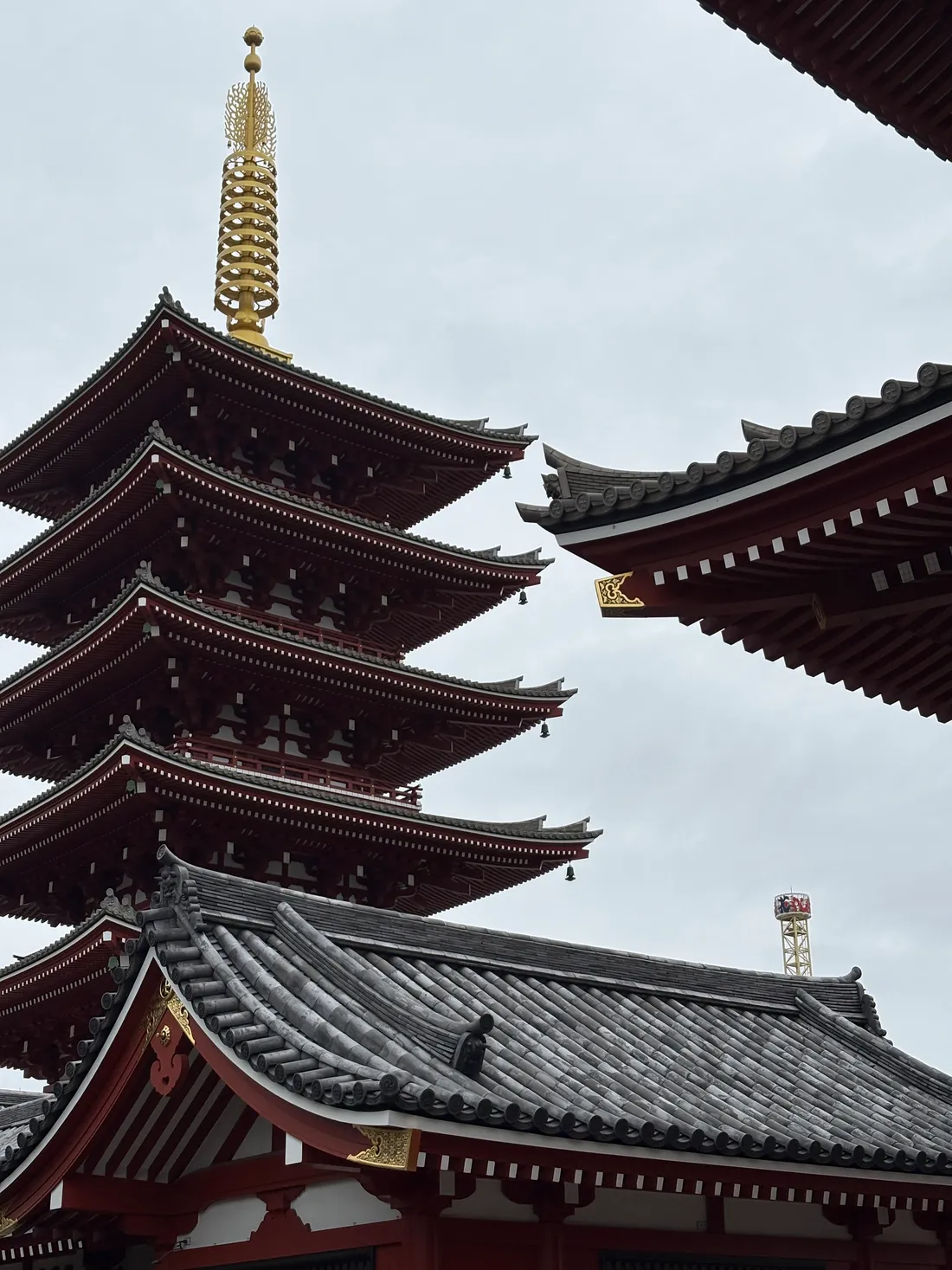

By around four we’d fully flipped into shopping mode and basically didn’t stop until the stores closed on us. Muji, Onitsuka Tiger (yeah, basic, still great), Uniqlo, Loft, plus a couple of tiny Tokyo-only shops you can’t find anywhere else. We also hit the Pokemon Center, where a life-size Mewtwo floats in a tank like an actual lab experiment, which absolutely got us. We spent real money and a genuinely absurd amount of time standing in lines. Worth it. Mostly.

Then came the big reservation, the one we’d planned the whole day around: omakase at Sushi Hajime in Shibuya. And look, it was genuinely good, I want to be clear about that. But it wasn’t close to the best meal of the trip, and I kept chewing on that for the next two weeks. We built a whole evening around the fancy thing, and the fancy thing was just fine. File that away, it comes back later.

Day 3: jet lag sends me to Kamakura, solo
Jet lag had me wide awake at 5am with zero chance of going back down, so I left Everett asleep at the Airbnb and turned the morning into a solo mission. I took the train down to Kamakura and did the Daibutsu hiking course, then spent some time just looking at the Great Buddha itself (the giant bronze Daibutsu, somehow even more impressive in person than it has any right to be) and walking the town, poking in and out of shops and side streets.
The catch was an 11:00 lunch reservation at a samurai restaurant back in the city, and I cut it way too close. I got completely turned around, missed what felt like every train headed back, and walked in 35 or 40 minutes late to a very unimpressed Everett. Fair. The food was alright, but the show was genuinely fun, and it ended up being worth the chaos.

After lunch we went up the Tokyo Metropolitan Government Building to catch the view from the top, then rolled through Ginza and the electronics district (Everett walked out with a new DJI, I grabbed a few camera bits I’d been needing), hit Loft and Muji, and finished at Age 3, this pastry cafe that blew up on TikTok. Then it was back to the Airbnb to repack and brace for the long travel day ahead, which we were still very much underestimating.

Hokkaido
Hokkaido got five days, and it’s where the trip turned stressful but awesome at the same time. This is the stretch I’d do again in a heartbeat, chaos included.
Day 1: the airport sprint, then the drive north
This was the single most stressful morning of the entire trip. We had a 7:30 flight, and somewhere in the rush we missed two different trains, our Uber cancelled, we were dragging way too many suitcases, and we cleared security at the exact moment they started boarding. We made that flight on pure Japanese efficiency and nothing else. I won’t dwell on it, because it worked out and turned into a good story, which is what most of those mornings are for.

Once we grabbed the rental car, the island opened up fast. We started at Lake Shikotsu and just sat by the water for a while, then took our time pushing north toward Furano. We even pulled over at a random botanical garden along the way that turned out to be gorgeous, exactly the kind of unplanned stop you only make when you’ve left the day loose.

Further up we got into the Biei area, wandered down to the Biei River, and stopped at a lookout with Mt. Asahidake sitting out in the distance, which we’d be standing on top of the next day. The real surprise was the Blue Pond nearby, where the water is this almost fake-looking turquoise. From there it was on to the Prince Hotel in Furano. Most things were closed by the time we rolled in, so we ended up eating at the hotel bar, which was unexpectedly great, and then crashed hard.



Day 2: Mt. Asahidake and Sounkyo Gorge
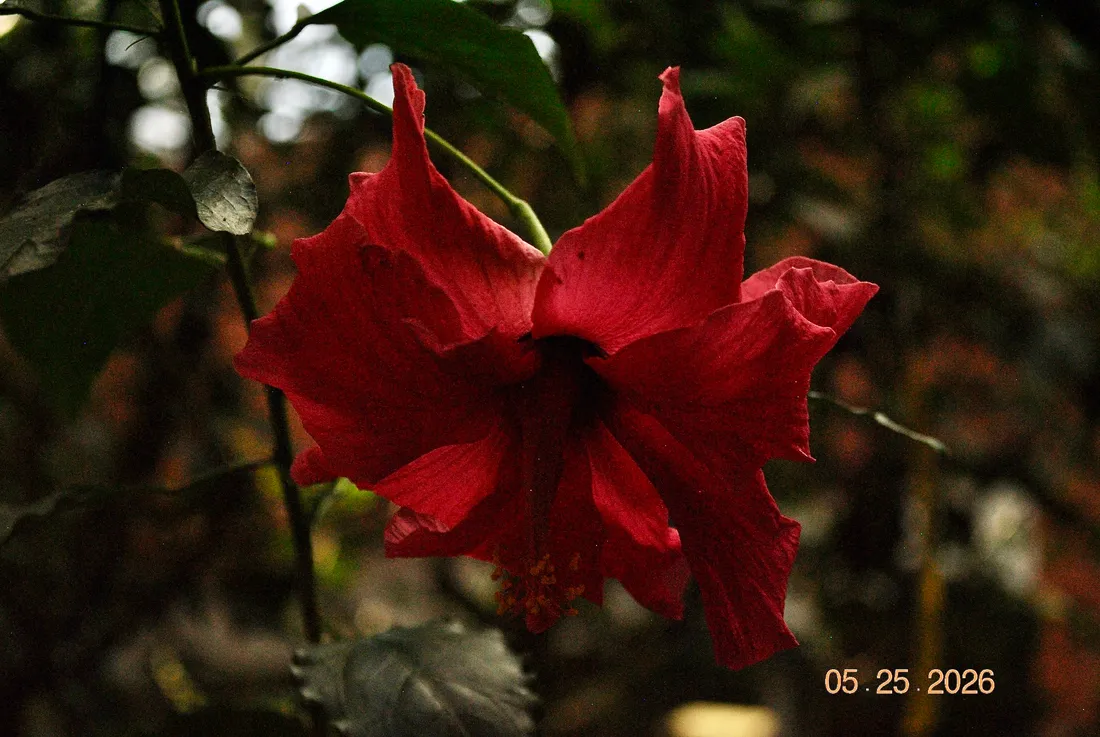
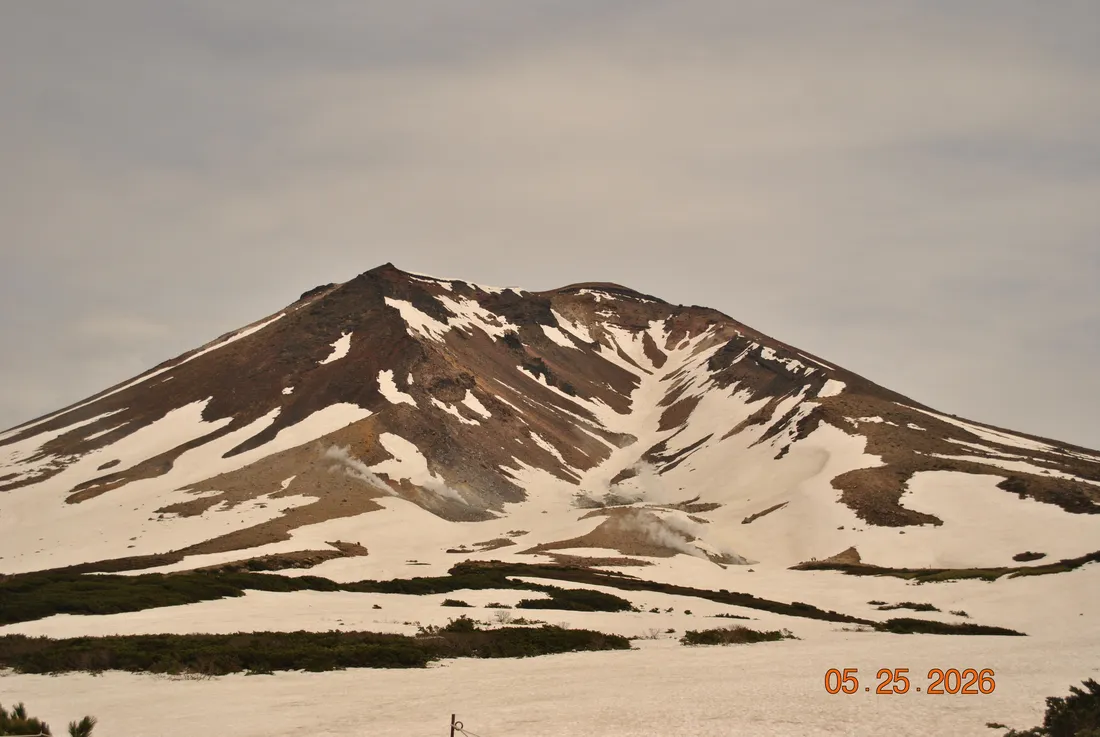
After a Japanese-style breakfast at the hotel we headed back toward Daisetsuzan National Park for Mt. Asahidake. The drive out there runs through a whole lot of nothing in the best possible way, and we stopped more than once just to stand around and take it in. At the mountain you catch a cable car up toward the top, and from there you’re walking around actual geothermal vents steaming straight out of the ground, which is a wild thing to just casually stroll past.


From the summit we crossed to the other side of the mountain to the Sounkyo Gorge area for the Ryusei and Ginga waterfalls. Completely different landscape, all within a couple of hours of where we’d just been standing.

We’d actually botched the Airbnb situation for that night, so we had to backtrack a couple of hours to a place near Kamifurano. Totally worth it though. It was a two-story lofted Airbnb sitting in the middle of farmland, with big views out to the mountains and the fields. One of those stays that’s as much a part of the day as anything you drove to go see.

Day 3: the long drive to Abashiri
Mostly a driving day, and a good one. We started at a local fox farm (a lot of foxes, a few raccoons, genuinely no notes), wound through small towns and farmers’ markets, and took our time heading east. We pulled into a cape called Notoro Misaki that I ended up loving, barely anyone around, trails running out past a lighthouse, and we straight up took a nap in the field next to it. Quick PSA from that nap: Everett left his expensive drone somewhere out there and we never found it again. Build a little slack into the plan, sure, but maybe also keep tabs on your drone.

Dinner that night was at Yoshida Mihachi Shouten in Abashiri, and it’s on my Beli (@abhiroams) if you want the actual breakdown. Abashiri itself was interesting, a lot of infrastructure for not a lot of people. But the part I keep thinking about is the Airbnb. It was a handmade home, built by local people, all earthen and natural shapes with these outdoor and nature-facing spaces, and modern in all the right spots. It’s one of those places where you remember the building itself, not just the view.

Day 4: Shiretoko, and a tough call
Shiretoko started with a dilemma. There was a forest walking tour and a nature cruise, but bear sightings and weather had scrambled the schedule, and the timing meant we basically had to pick one. We went with the forest walk first, just to get something locked in for the day. It runs you past five different lakes with some cool birds and plants, perfectly nice, though honestly a little underwhelming next to everything else we’d been seeing. We grabbed ramen afterward and rescheduled the cruise for the next afternoon.
The Airbnb that night had a private onsen out back, which is where most of the evening went. We also ran a very serious, very scientific review of whatever Japanese snacks we’d picked up along the way, and then went to bed early.

Day 5: orcas, then the best meal of the trip
We slept in, swung by a lake right next to the Airbnb, then made it back to Shiretoko for the cruise we’d pushed. We barely made it on time, and then it absolutely paid off: a whole pod of orcas plus some whales off in the distance, even with the rain coming down hard enough to mess with the visibility.

That night we drove to Kushiro and walked into what might genuinely be the best meal of the whole trip. It’s a tempura omakase spot called Tempura Ryori Sakura, basically one guy running the entire show. We didn’t have a reservation, didn’t really know what was happening, and he waved us in anyway, poured us a local sake, and took us through ten to fifteen courses of locally caught seafood and local meat. We lost count somewhere in the middle. It cost a fraction of the Tokyo omakase, and it wasn’t even a contest.
Hiroshima
Hiroshima was mostly a travel day, so I’ll keep it like one. A few hours in the car to New Chitose Airport, a flight south, a bus to the hotel, some really solid Japanese barbecue downtown, and an early night. For this trip it was the hinge between the north and one of the best days we had, which was waiting for us the next morning.
I want to be clear though: we will absolutely be coming back to Hiroshima. The city deserves real time, and with the goals we’d set for this trip we just didn’t have it to give. I really wish we did. Blowing through it in a night is not a statement about Hiroshima, it’s a statement about our itinerary.

Onomichi
If a budget traveler asked me for the one day to copy off this whole trip, I’d send them straight to Onomichi, and the funny part is almost nobody told us about it. One friend, who’d actually lived in Japan for a few years, mentioned that this little town east of Hiroshima basically runs on a cycling economy, and that was the entire recommendation. No listicle, no guidebook, no top-ten anything. Just one person who actually knew.
We took an early Shinkansen over and dropped our bags at Hotel Cycle, which is a very cool spot built right into the biking culture of the area. Then we grabbed a commuter bike I’d reserved a month or two ahead and set out on the Shimanami Kaido.

The full route is about 70 km across six islands, and we did roughly half of it, three islands worth. You ride over these bridges that string the islands together, cutting through forest and tiny villages, stopping whenever you feel like it for ice cream or fresh lemonade somebody’s selling on the side of the road. Mukai Shima first, mostly city. Then a climb up to the Innoshima bridge and into the best stretch of the day, all jungle and forest and little villages. Then over to Ikuchijima, where the hills finally pay off with long fast descents, and we wrapped at Setoda Port with its sunset beach and the Kosanji temple, which has some genuinely wild Buddhist architecture and pagodas.

The town itself is packed with little shops worth poking around in, and you keep running into cyclists from all over the world who came for the exact same thing you did. We capped the night back at Hotel Cycle with some local lemon craft beer, because this whole area is completely obsessed with lemons and honestly it works, and a conversation with my buddy that just kept going for a couple of hours. Easy day to recommend, basically impossible to forget. I’d come back and do the full 70 km in a heartbeat.

Kyoto
More early starts, because that was just the theme of this trip. We were out the door at 5:45 to catch the Shinkansen, picked up a rental car once we got into Kyoto, and spent the day working through the temples. Nanzen-ji, Toji, then out to Arashiyama.

The bamboo grove is absolutely worth seeing, and it’s also the one spot on the whole trip I’d warn you about, because it was packed. The crowds were genuinely the only downside. Go early, or go off-season if you can swing it. Same exact place, totally different day, and it mostly comes down to what hour you show up.

Since we had the car, we kept driving out to Kayabuki no Sato, a small thatched-roof village out in the middle of nowhere, and that’s the part I’d really send you to. The drive out was gorgeous. The drive back was something else entirely. We came back a different way, through an emptied-out stretch of Kyoto with abandoned towns and old temples, then onto what was technically a two-way highway through the forest but was realistically wide enough for maybe one car. Easily the scariest and most fun stretch of road we drove the whole trip.


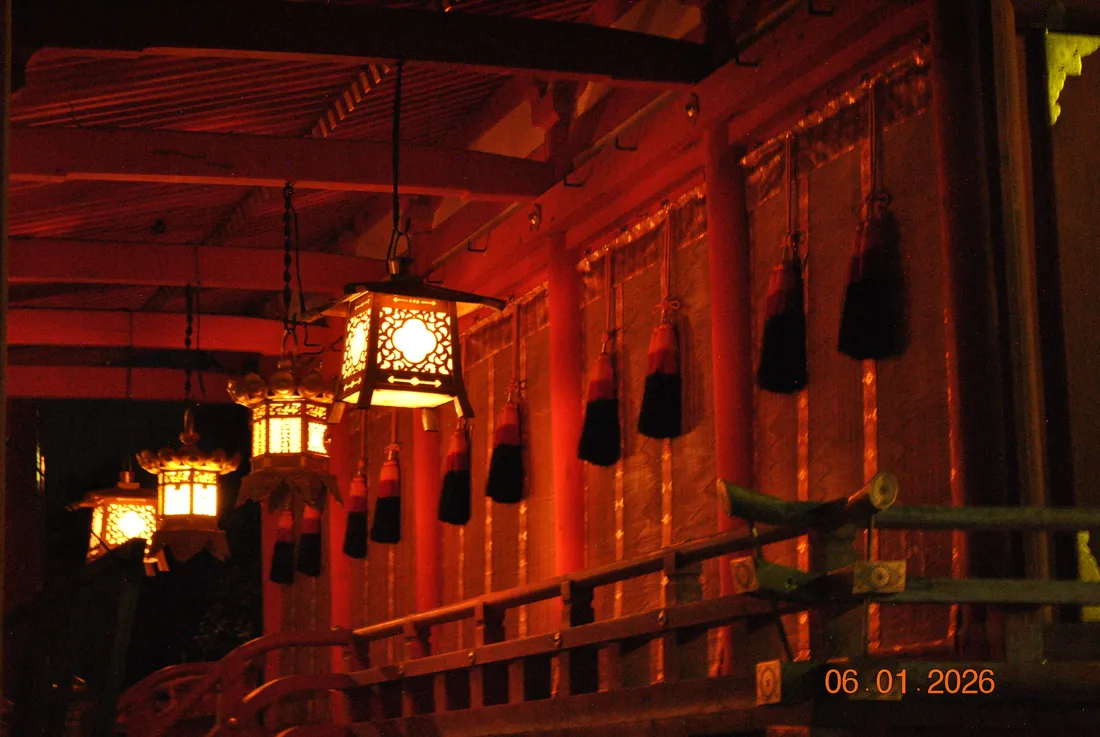
We ended that night at Ryoso Chatani, and this is the one I tell people about. On paper it’s a two-star hotel that ran us about seventy bucks. In reality it was one of my favorite stays of the trip. It’s run by an elderly couple and their son, and at dinner they called us down and cooked us hot pot, we soaked in their own homemade onsen, and we slept on tatami mats. They didn’t speak much English and still bent over backwards to take care of us. This is basically the entire thesis of the trip in one booking: the cheapest room we paid for was the one I’d go back for first.

After dinner we drove out to Fushimi Inari Taisha, the thousand torii gates you’ve definitely seen on Instagram. At night it’s a completely different place. Almost nobody around, dead quiet, and you can hike all the way up to the overlook with Kyoto lit up below you. Same gates, same price (still free), completely different experience, purely because of when we showed up. If you do one thing in Kyoto after dark, make it this.
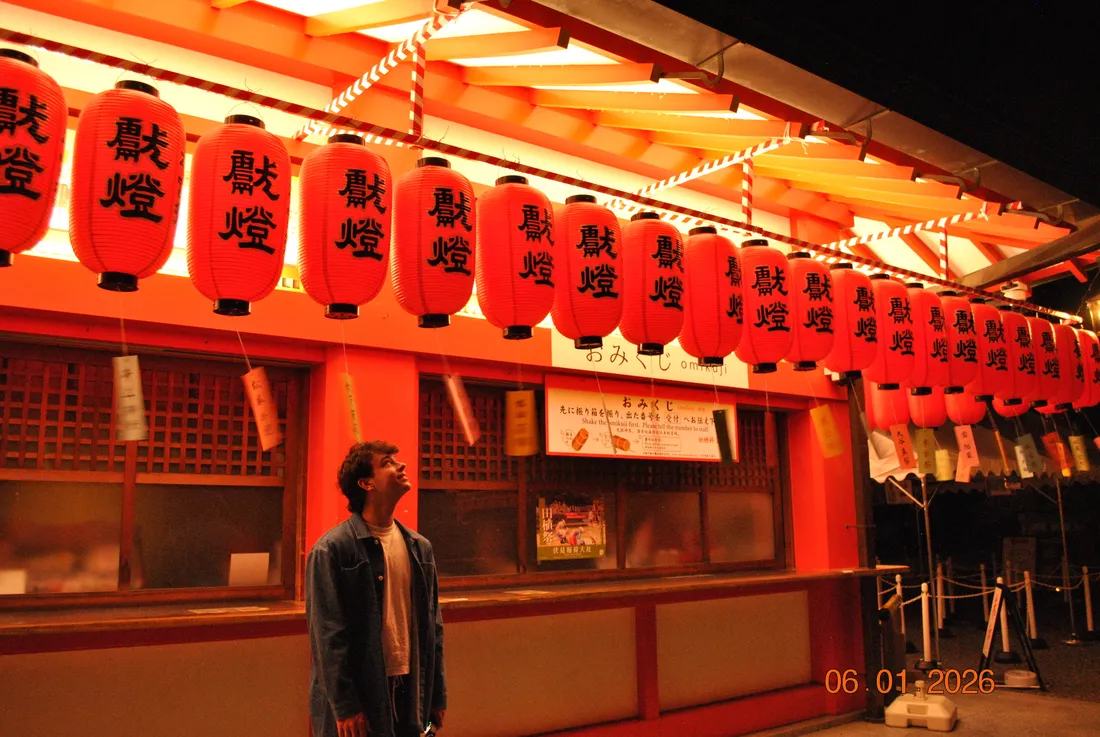

If I did it over I’d give Kyoto two or three nights instead of cramming it into one. We’ll be back for it, probably off-season.
Osaka
Osaka was our one fully planned splurge day, and no regrets. After dropping the rental car and spending a solid chunk of time figuring out why Everett’s transit card refused to work, we checked into the Candeo Tower Hotel and headed straight for Universal Studios Japan. It was pouring rain, which actually played out in our favor. We’d bought tickets with eight fast passes built in, and rain plus skip-the-line meant we were walking onto most rides in ten or fifteen minutes.

A few of the bigger rides were closed for the weather, and Nintendo World was fine but a little oversold for what it is. The real fun was Harry Potter world and the Hollywood section, just pure childhood nostalgia hitting all at once. We grabbed lunch at the Kinopio Cafe, got our socks thoroughly soaked, and called it.

We closed the night out on the hotel’s rooftop, starting with a couple of matcha milks that turned out to be alcoholic (good to know), and then the highest infinity pool in the world, plus saunas and a bunch of indoor and outdoor pools at different temperatures. After two straight weeks of go, go, go, that was exactly the right way to just stop for a night.

Okinawa
Okinawa got four days, and it was the back half of the trip finally slowing down: a travel scare, then diving, then the kind of lazy days I didn’t know I needed.
Day 1: the typhoon desk
Getting there kicked off with a bit of a scare. We showed up to a completely unstaffed Jetstar check-in desk with a sign taped to it about a typhoon cancelling flights. Ours wasn’t on the list, so we were just stuck there, confused, waiting it out with a handful of equally confused passengers until staff finally showed up (thank god). After that it was a short flight, a rental car, and a hidden little Airbnb tucked into the forest near Nanjo on the eastern side of the island, with a host who walked us around the whole place himself. We grabbed takoyaki and udon for dinner, stocked up on snacks, and called it early, because the next day was the thing I’d been most nervous about the whole trip.

Day 2: first day diving the Kerama Islands
In my opinion, the diving turned out to be the best thing we did. I was nervous going in, because everyone else on the boat looked like they’d done this a hundred times and I very much had not. Everett was probably worse than me, questioning his life before we’d even left the Airbnb. But our guide, George, completely flipped that and made the whole thing fun instead of terrifying. We dove off the Kerama Islands and it was just unreal: massive coral, swim-throughs, little caves, and a full day of slowly getting comfortable with the gear and dialing in my buoyancy. We got back to the Airbnb around four and ate over in the Chatan area, which is very Americanized, all breweries and steak and seafood. We didn’t expect much from dinner and didn’t get much, but we didn’t really mind.
Day 3: a lazy day, on purpose
Genuinely a do-nothing day, and it ruled. We cafe-hopped to get some work done, finally uploaded the thousands of photos and videos we’d been hoarding all trip, and found a few beachside spots to post up at. Then we moved over to our last Airbnb, which was a lot like the earthen place back in Hokkaido, except this one was close to a bunch of local food. Easily a top-three stay of the trip. The host was incredible even when we locked ourselves out, and the whole place was dialed in down to the smallest details. We found a little yakitori spot nearby, then went back and did absolutely nothing, just music and TV and an early night before our second dive.

Day 4: second dive, and the thing that stuck
The morning started cloudy and humid and a little ominous, then cleared up the second we got on the boat. George brought his twenty-year-old assistant Taron along this time, and the two of them clearly have a big brother, little brother thing going, cracking jokes the entire way out. We saw turtles, sea snakes, slugs, anemones, and more reef fish than I could possibly name. At one point we spent a solid ten minutes and an irresponsible amount of our air just bouncing around a giant sand patch like astronauts goofing off on the moon.
That second day is also where the trip handed me the thing I keep coming back to.
What stuck with me
A few lessons, said plainly, because leaving them implied would feel like a cop-out.
The most expensive thing you book is rarely the best memory. The Tokyo omakase we planned around was good and completely forgettable. The seventy-dollar family inn outside Kyoto and the one-guy tempura counter in Kushiro are the two things I’d fly back for tomorrow. If you’re traveling on a budget, that’s not some consolation prize. That’s the actual strategy. Spend your attention, not your money.
Friction is part of it. The Hokkaido morning and the Okinawa typhoon desk were miserable in the moment, and now they’re the stories I tell first. You can’t optimize a trip into being memorable. Leave some slack in the plan and let a little of it go sideways.
Locals beat listicles. Onomichi came from one friend who’d actually lived in Japan, and it was the best day of the trip. Arashiyama came from everyone, and it was the most crowded. Same country, two completely different outcomes, all depending on who you listen to.
Timing is a free upgrade. Fushimi Inari at night versus in the middle of the day is the same place at the same price and a completely different experience. Picking the right hour is the cheapest upgrade you can make to almost anything.
And then there’s the one I didn’t see coming, which hit me underwater on the very last dive:
A lot of what I’ve gotten into over the last couple of years has been intense, or at least takes some level of vigilance. A hard hike, climbing up a steep boulder, that kind of thing. But this was pure meditation. Being down there watching these creatures glide through the water while you just breeze past is so calming. It’s a good reminder to actually look around and smell the roses every once in a while, which is something I constantly forget on trips like these, where I’m trying to absorb everything as fast as humanly possible because I’m afraid of missing something I might not get back to. But there’s something beautiful in the patience, and I think it’s pretty underrated. Yeah, you might miss a little of what a place has to offer. But the sheer vastness of these places, and the fact that they’re always changing, is exactly what makes them so exciting.
That’s the whole trip, honestly. We moved fast, we spent a little where it actually counted, and the best moments were the ones we almost blew right past. I’ll be back. Off-season, slower, with a little more Japanese in my back pocket. And I’ll still be the guy booking the seventy-dollar room over the one with the reservation list.
Save to Pinterest